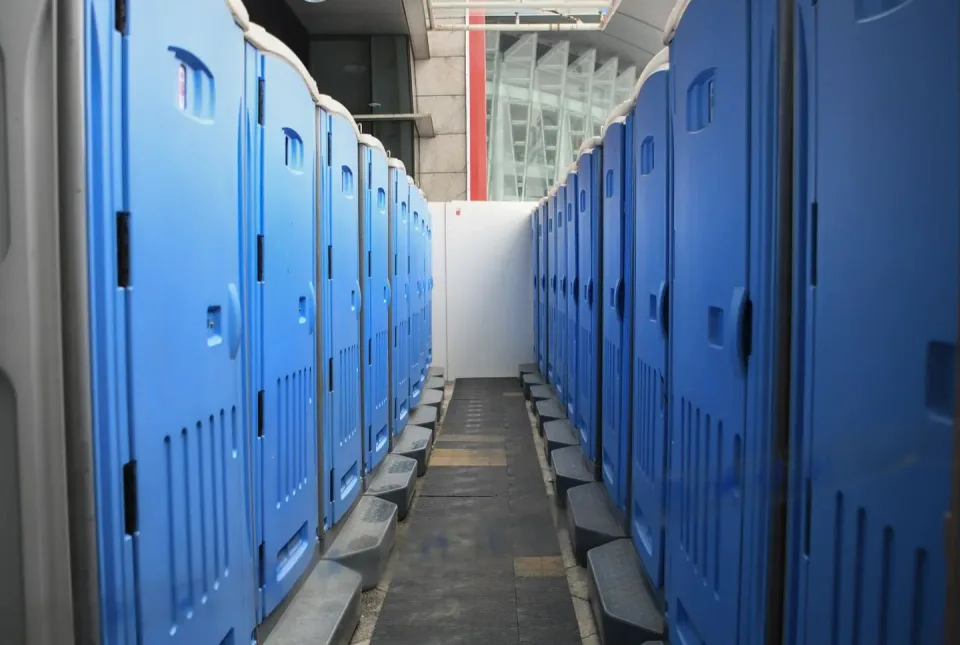
Where Should Construction Toilets Go Near Crews?
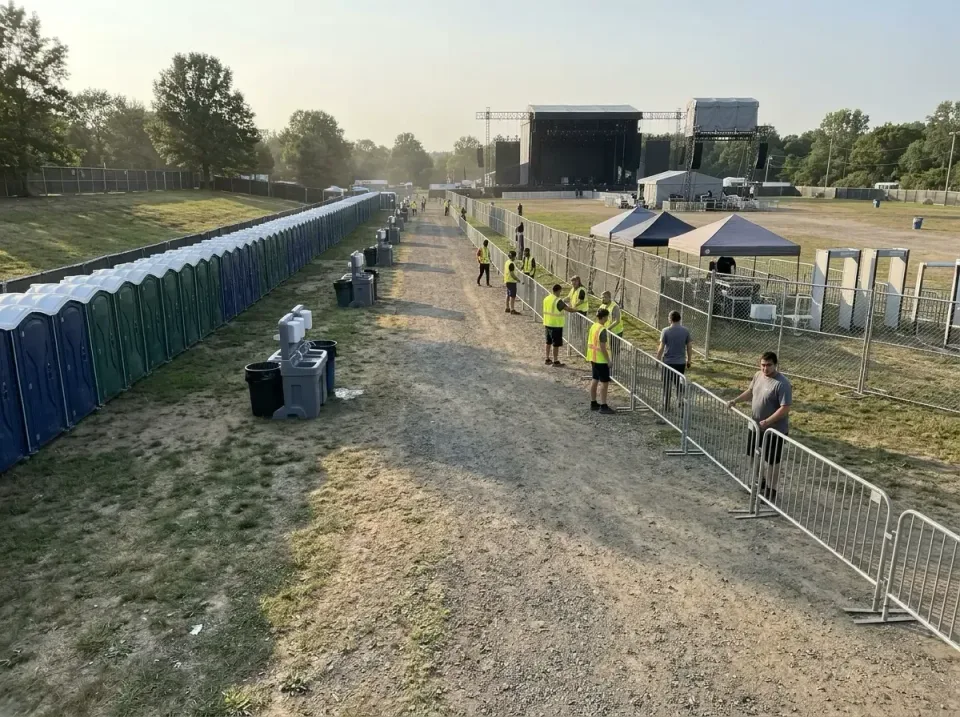
A crew needs a toilet close enough to use during a shift, but a unit dropped in a turn lane can stop deliveries and equipment. Place it on stable ground just outside active work and vehicle paths, with clear access for the service truck.
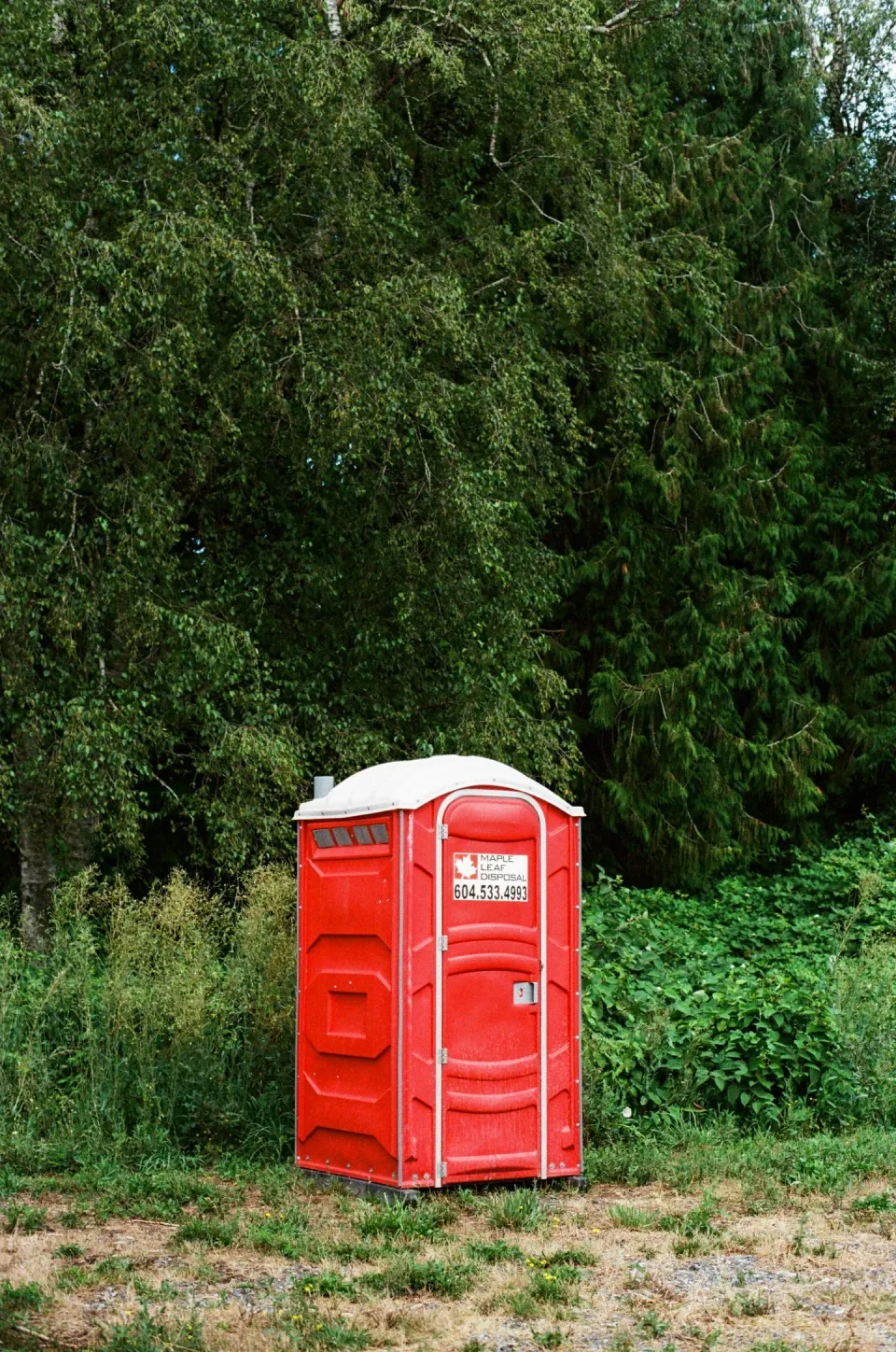
Strong South Dakota winds can shift an unsecured unit, so ask for placement that can be stabilized rather than exposed on an open edge. At a project near the Dakota Prairie Playhouse, the same access planning matters: keep the unit convenient without narrowing routes used by workers or visitors.
Frequent winter freeze-thaw cycles can soften access routes, so reassess the ground before trucks arrive. Check crew travel paths, truck approach, and the service route before confirming the location.
Where can a toilet serve crews without blocking traffic?
Construction crews lose time when a restroom is too far from the work area, but placing it beside a gate or haul route creates a different problem. Mark a spot workers can reach on foot without crossing an equipment path, then leave the approach open for delivery and pumping.
On sites near Madison Central School, changing work zones may make yesterday’s convenient location a conflict today. Recheck the position when fencing, staging, or excavation shifts. A short walk is usually better than a unit that forces trucks to back through active work.
Madison Community Center projects may involve multiple crews and deliveries; keep the toilet outside the shared receiving area and identify who can authorize a move. We’ve seen placement fail when a site contact approves a spot but the field crew later parks materials in the service path.
Mark the service side clearly. For a delivery-access checklist, see what to check before a delivery truck enters your site.
How should rain and freezing weather change placement?
Heavy rain can leave standing water around a unit, making the entrance muddy and difficult to use while also complicating servicing. Choose ground that drains and remains firm; avoid low spots and areas where runoff collects. At a project near Madison Municipal Airport, the practical test is whether the truck can reach and leave the chosen pad after weather changes, not just whether the ground looks dry during the walk-through.
Cold, snowy winters call for protecting water lines from freezing. Keep equipment and any connected water supply positioned with winter access in mind, and do not let a snow pile become a barrier at the door or service side.
Tufway can help identify a firm surface for temporary placement, but it does not replace a site check for grade, drainage, or truck access. For construction sanitation requirements, review what OSHA 29 CFR 1926.51 requires for construction site toilets.
When should you move a unit or call for help?
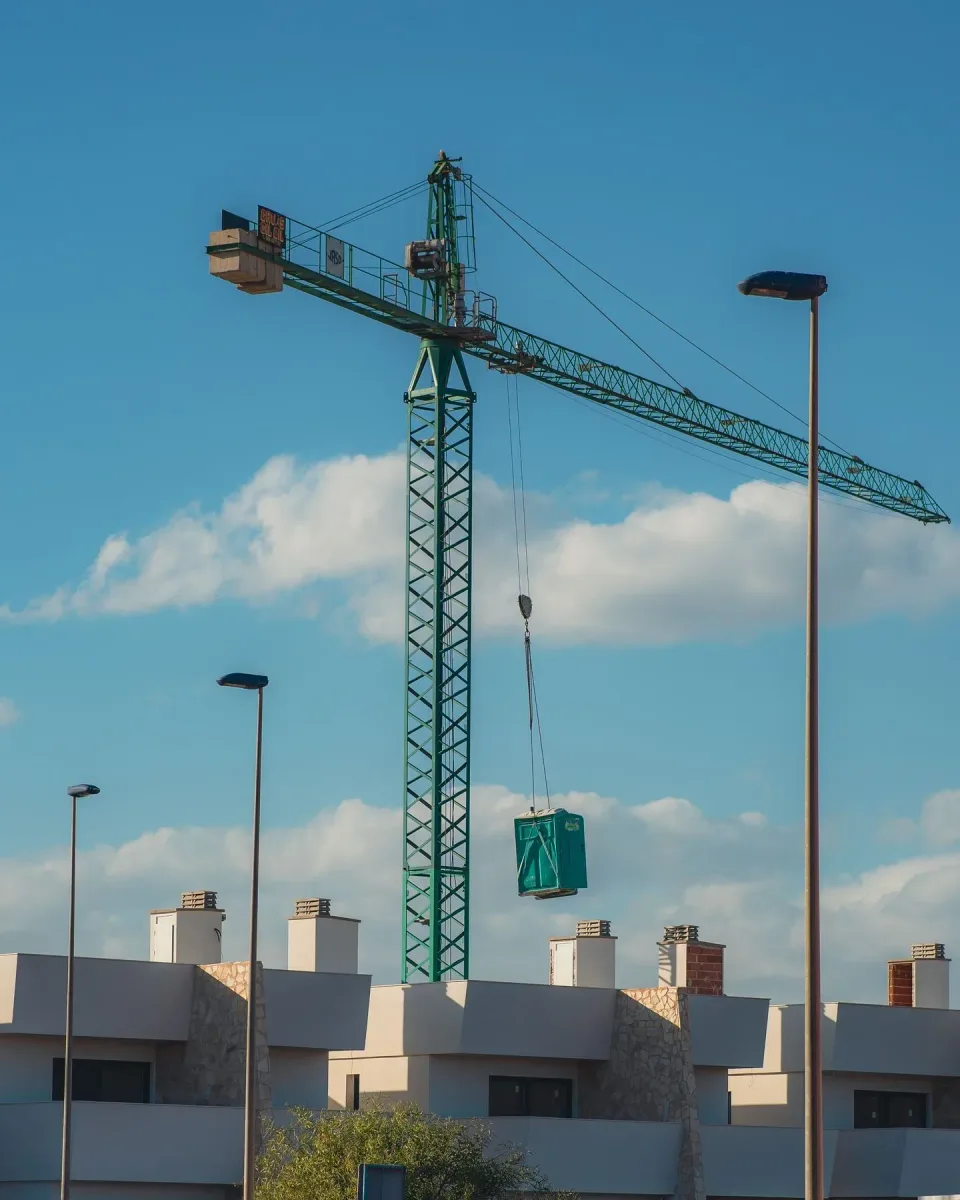
Move a toilet when it blocks an emergency route, excavation zone, gate swing, or equipment turn or when a service vehicle can no longer reach it. Do not ask a crew to drag a full unit across soft ground; it can tip, damage the enclosure, or spill waste. Stop and contact the site lead if the planned route crosses buried utilities or the ground is unstable.
Wastewater must go through approved facilities, not into a storm drain or onto the ground. That disposal step matters even when the immediate concern is getting a unit out of the way.
Our crew coordinates the delivery position and service access with the site contact so the pump truck can reach the unit without threading through active work. For a straightforward, stable pad with no utility or traffic conflicts, the site team can mark the location; ask us to review it when access or grade is uncertain.
Keep the service route open through changing work
Construction Site Toilet Rental planning should include the service approach, not just the crew’s walking distance. Leave room for the service vehicle to reach the unit and for the operator to work safely. Keep material stacks, parked pickups, and temporary fencing out of that lane, and name one person who can clear it before a scheduled visit.
At a job near Dakota State University, work may advance across the site while the restroom stays in its original spot. Review placement at each major phase change, especially before a new fence line or equipment staging area goes in.
Tell the site contact how often service is expected and who reports a full or damaged unit. That small handoff helps prevent a convenient location from turning into a missed service stop.
Which Toilet Setup Fits a Tight Jobsite?
A narrow work area needs a different setup than a large crew site with room for a trailer. Compare the footprint and access needs before choosing.
| Option | Best for | Key detail |
|---|---|---|
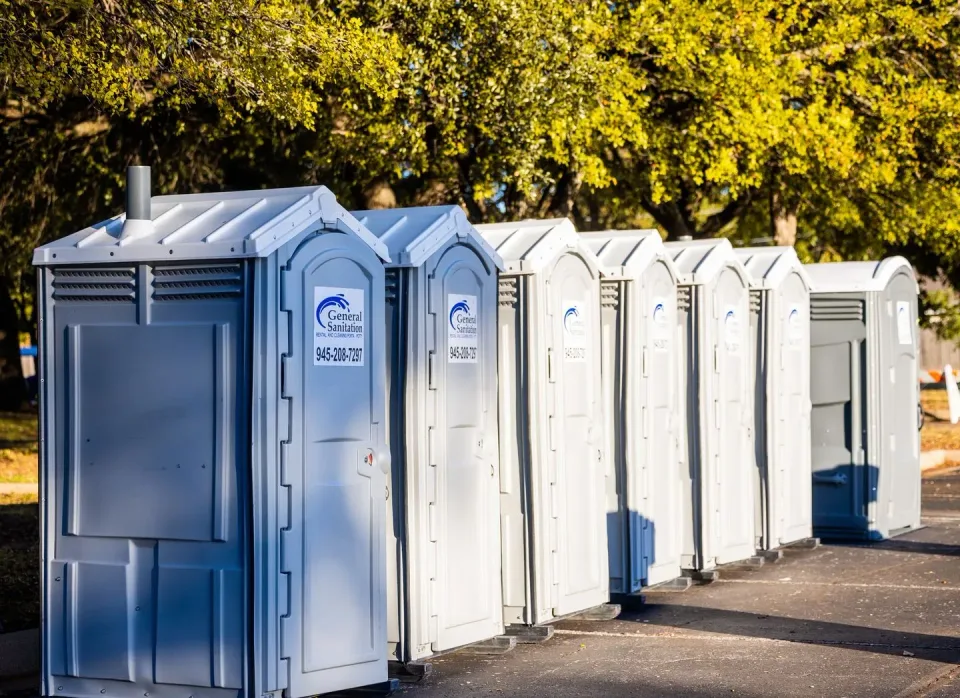
| Standard portable toilet | Small crews with limited space | Approximately 4 by 4 feet; basic facilities |
| ADA accessible portable toilet | Wheelchair-accessible access needs | Approximately 5 by 7 feet; reserve a clear approach |
| Hand wash station | Sites needing a separate sink | Separate washing point; plan space beside the unit |
| Restroom trailer | Larger crews needing indoor-style amenities | Size varies by stall count; requires suitable access |
| Winterized portable toilet | Work during freezing conditions | Specify winter equipment when booking |
Permit-aware placement coordination can prevent a unit from landing where a site approval or work plan does not allow it. Routes connected to Highway 34, Interstate 29, or South Dakota Highway 19 may shape delivery timing and approach; provide the actual jobsite directions.
Humid summer weather can slow evaporation, so do not treat a damp surface as dry. Ice can make steps and paths slippery; keep the route walkable and ask about access before delivery.
What Steps Keep a Construction Toilet Accessible?
Set the location before the crew’s work zone shifts. A quick field walk prevents a blocked gate or missed service visit.
-
Name a site contact: Share the delivery address and identify who can direct the driver on arrival.
-
Mark a firm pad: Choose level ground outside vehicle paths, excavation zones, and areas likely to turn soft.
-
Protect access: Keep the service side clear of parked equipment and fencing so servicing remains possible.
-
Set delivery and pickup: Confirm the delivery window, pickup date, and service frequency before the rental begins.
-
Recheck seasonal exposure: Late-summer and fall conditions can change quickly, so inspect the route again before each visit.
-
Coordinate site rules: Madison City Hall is the place to ask about city-specific requirements when a project or public-facing site needs local coordination.
If your work is near Madison Veterans Memorial, account for visitor movement as well as crew routes. At Lake County Fairgrounds or Lake Herman State Park, confirm the approved placement area with the site manager before dispatch.
Plan the Jobsite Toilet Before Access Gets Tight
A good location keeps the toilet close to the crew while preserving a clear route for equipment, deliveries, and service. Leave the access lane open.
At a Madison project near Lake County Courthouse, Madison Elementary School, or Madison Regional Health System, coordinate the exact placement with the site contact rather than assuming the nearest open space will work. Subzero cold can stiffen door latches and seals, so ask about practical cold-weather checks before a winter rental.
| Planning detail | Reference |
|---|---|
| Standard footprint | Approximately 4 by 4 feet |
| Typical holding capacity | Approximately 60 gallons |
| Empty unit weight | Often 150–200 pounds |
For a site walk-through and a clear quote, contact SD Toilet Rentals about Construction Site Toilet Rental.